- Blog
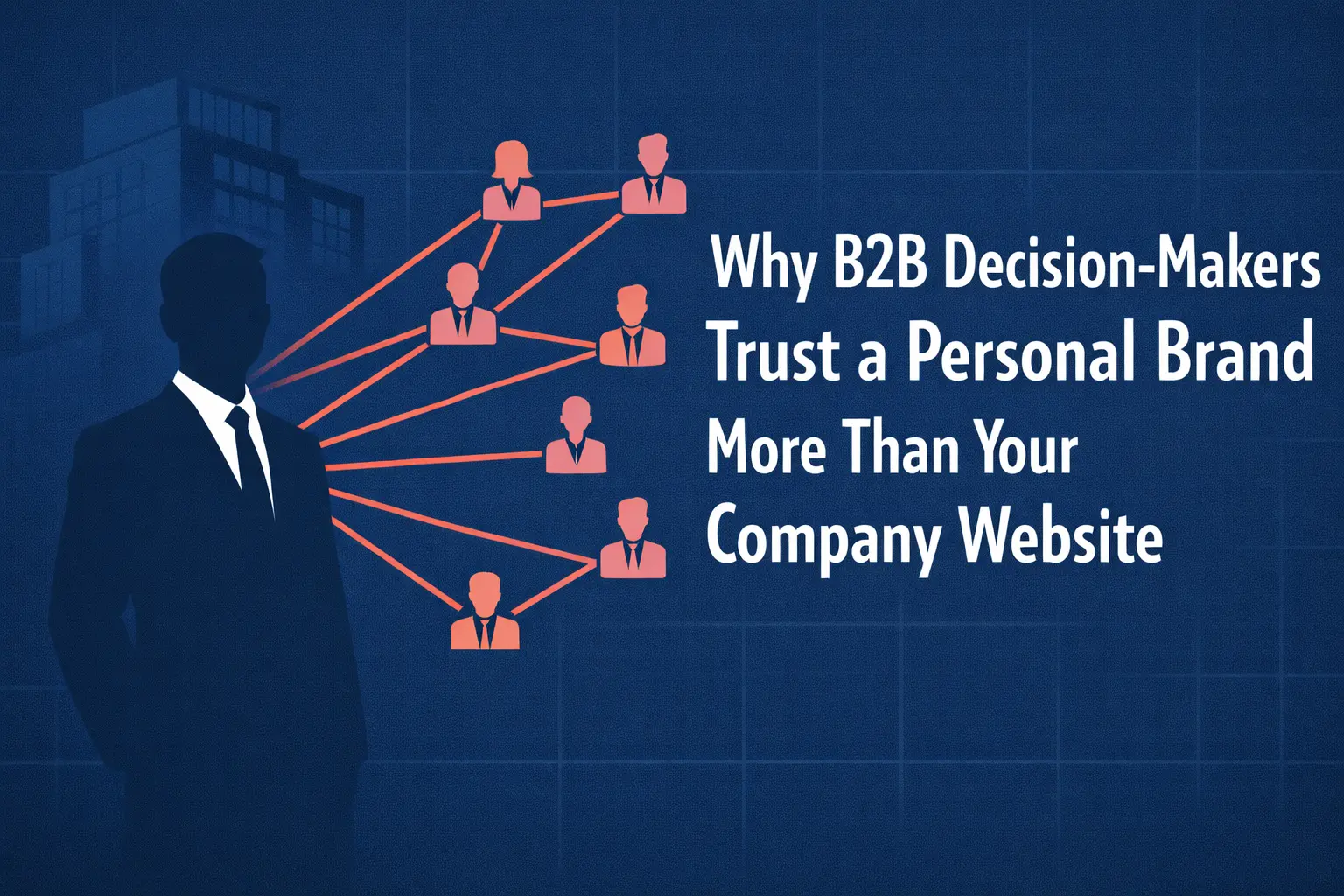
- Why B2B Decision-Makers Trust a Personal Brand More Than Your Company Website
- Digital Marketing , SEO , Uncategorized ,
- March 27, 2026
 Iffort
 Let’s be honest. In most B2B companies, “personal branding” is treated like a nice-to-have. Something for LinkedIn influencers and keynote speakers, not for growth marketers with pipeline targets and a CFO breathing down their necks. But here’s the uncomfortable truth: your buyers have already decided whether you “get it” before your sales team picks up the phone. They’ve Googled your founder, read your CMO’s posts, and formed an opinion. Without a single discovery call. If you’re still treating personal branding as a vanity project and not a pipeline lever, you’re not just missing a trend. You’re missing deals.
Not too long ago, a B2B buyer picked up the phone early. They needed information, and you had it. Today? They’ve done 80–90% of their research before you ever enter the picture.
The modern B2B buying journey is digital-first, non-linear, and deeply personal. Buyers aren’t just reading whitepapers. They’re watching your CEO’s webinar replay at 11pm. They’re scrolling through your VP’s LinkedIn to figure out if they actually know what they’re talking about. They’re asking your existing customers on Slack communities you’ve never heard of.
The result? The first impression your company makes is increasingly the one your people make, not your brand. And most B2B teams aren’t ready for that.
Because the numbers don’t lie. They haven’t been kind to faceless corporate content for a while now.
Consider this:
None of these are soft, feel-good statistics. They translate directly to pipeline, conversion, and close rate. A founder with a 20,000-follower LinkedIn audience in your ICP’s industry isn’t just “building a brand.” They’re warming up your pipeline every single week at zero ad spend.
Personal branding in B2B isn’t about ego. It’s about earning the right to be in the room before the room is even assembled.
Spoiler: it’s probably not who you’re thinking of. Not every personal brand needs to come from the CEO.
The most effective B2B personal brands come from whoever speaks your buyer’s language most fluently. Sometimes that’s the founder. Sometimes it’s the Head of Product who’s lived the same problems your prospects are wrestling with. Sometimes it’s your VP of Customer Success, whose stories about transformations-in-the-wild make CFOs say: “That sounds exactly like us.”
The question to ask isn’t “who has the most followers?” It’s:
That’s your personal brand asset. And if you build the right content infrastructure around them: ghostwriters, editors, and distribution systems, you turn their credibility into your company’s competitive advantage.
Let’s be precise, because “build your personal brand” gets watered down into advice about posting selfies and morning routines. That’s not the game here.
In B2B, a strong personal brand is built on three things:
The goal isn’t fame. It’s familiarity. You want the right 500 people to feel like they already know you, so when your name appears on a vendor shortlist, it comes with context, not cold curiosity.
Here’s where most B2B teams still operate in silos: performance on one side, brand on the other. Paid ads and ABM over here. Thought leadership and content over there. Two calendars, two budgets, zero coordination.
Personal branding is the bridge. A founder’s LinkedIn post generates organic reach that no ad budget can replicate. A well-placed opinion piece in a trade pub creates dark social sharing that attribution tools miss entirely. A podcast appearance triggers a branded search: someone types the founder’s name, lands on the website, and enters the funnel. None of this shows up as a clean first-touch conversion. But it’s absolutely driving your pipeline.
The B2B brands winning right now have built integrated content marketing programmes that treat executive visibility not as a PR nice-to-have, but as a core demand generation channel, tracked, measured, and iterated on like any other part of the marketing mix. If you’re building this from scratch, a focused B2B content marketing strategy is the fastest way to align your people’s visibility with your pipeline goals.
Most personal branding programmes stall because they’re treated as one more thing on an overloaded executive’s plate. The fix isn’t more willpower. It’s building a system.
Here’s where to start:
Most B2B companies are still betting everything on their product, their pricing, and their sales team. Those matter. But if buyers have already formed an opinion before the first call, none of that gets the chance to land.
Personal branding is how you build trust upstream before the shortlist, before the demo, before the budget conversation. The companies that figure this out early don’t just win more deals. They stop competing on price altogether. And the ones moving fastest are pairing personal brand visibility with a sharp B2B digital marketing agency to make sure every warm impression converts into a trackable pipeline opportunity.
That edge is still available. But not forever.And if you’re thinking about where to start, that’s exactly what we help with. Ready to turn executive visibility into a genuine pipeline engine? Explore our B2B digital marketing services at Iffort.
Let’s be honest. In most B2B companies, “personal branding” is treated like a nice-to-have. Something for LinkedIn influencers and keynote speakers, not for growth marketers with pipeline targets and a CFO breathing down their necks. But here’s the uncomfortable truth: your buyers have already decided whether you “get it” before your sales team picks up […]
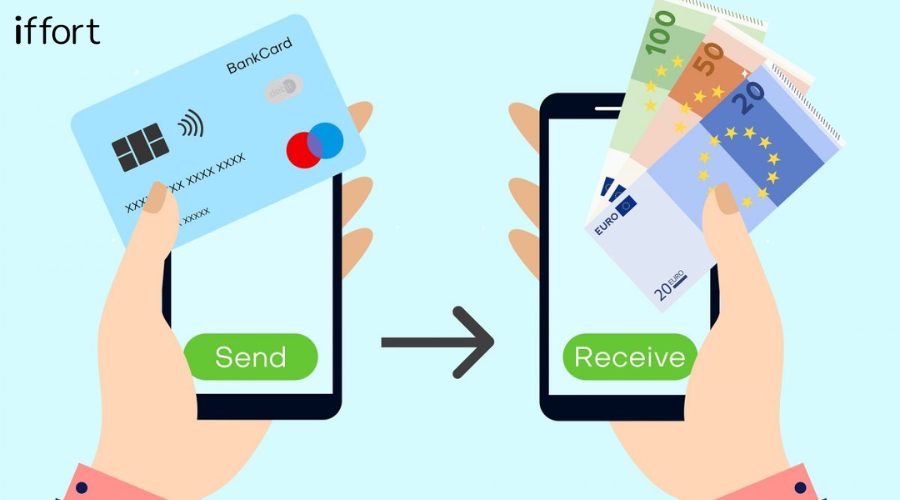
From 2022 to 2028, the Neobanking Market is expected to increase at a CAGR of over 45 percent, surpassing USD 45 billion in 2021. By 2024, Neobank is expected to have approximately 98 million users. According to Statista, the neobaking market is estimated to grow at a CAGR of 20.60 percent from 2022 to 2026, […]

Growing at an exponential rate as a global leader in the field of apparel, Malaysia has witnessed an influx of three promising Asian clothing brands- Oxwhite, Havan Clothing, and Teezlab, that are growing at a steadfast speed in the Malaysian T-shirt Industry. These companies target comparable markets, however their business models use distinct ways to […]

The privacy measures Apple implemented last year with the release of IOS 14.5 have revolutionized the world of digital marketing. The IOS 14.5 update was a major step in the ongoing battle between Facebook’s data privacy and advertising capabilities by restricting access to data from Identifier Advertisers (IDFA) behind the new AppTracking Transparency Framework. The […]
Introduction: In the modern era of technology, social media marketing has become an incredibly valuable asset for businesses in Dubai to flourish and succeed. The vast presence and impact of social media platforms have made them indispensable for reaching and engaging with the desired audience, as well as establishing and promoting brand recognition. Businesses in […]

Introduction: The Growing Importance of Mobile Apps for Dubai’s Car Rental Industry In the fast-paced and tech-savvy landscape of Dubai, mobile apps have become an indispensable tool for businesses across various sectors, including the thriving car rental industry. As residents and visitors increasingly rely on their smartphones for convenient, on-the-go services, car rental companies in […]

Digital marketing can significantly propel business growth in Dubai, a city renowned for its vibrant economy and competitive market landscape. One key advantage of digital marketing is its ability to target specific demographics with precision, allowing businesses to reach their ideal audience effectively. With a diverse population and a high percentage of tech-savvy consumers, leveraging […]
In the ever-changing business environment, entrepreneurs in Dubai are always looking for new and creative ways to get an advantage over their competitors and build a strong brand. Dubai, the Middle East’s economic centre, provides a conducive environment for startups to succeed. But in order to stay relevant and promote long-term growth, startups need to […]
Introduction: In the dynamic world of digital marketing, staying ahead means mastering the art of performance marketing. As businesses strive to maximize their ROI and reach their target audience with precision, the demand for effective performance marketing strategies continues to surge. But what exactly is performance marketing, and how does it differ from traditional marketing […]
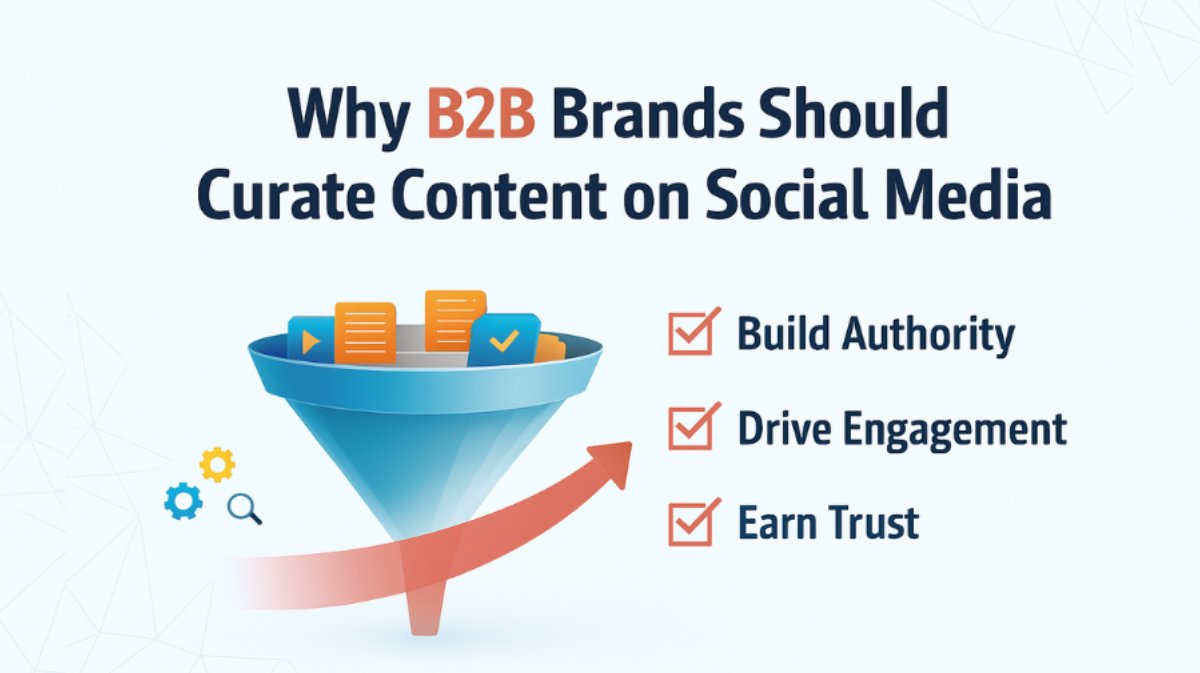
In marketing, just being seen isn’t enough; credibility is what gets people to buy. Brands that only post their own content often have a hard time staying consistent, relevant, and authoritative, even though original content is important. This is where content curation gives you an edge over your competitors. Content curation is not a quick […]

“Today I think we look at the internet, but I think in the future you’re going to be in the experiences.”—Mark Zuckerberg. In 2021, the Facebook Metaverse market was worth USD 63.83 billion. Overall, the market is expected to grow at a 47.6 percent CAGR from USD 100.27 billion in 2022 to USD 1,527.55 billion […]